Laser Skin Resurfacing in Los Angeles
Gentle, precise renewal for skin that looks like you on a great day


Laser skin resurfacing is a medical aesthetic treatment that uses focused light energy to gently remove damaged skin cells and encourage fresh, healthy skin to take their place. In everyday language, it helps soften the look of fine lines, uneven texture, acne scars, and sun damage, so your skin looks a little more "you on a really good day" and a little less "zoom filter, please."
Every treatment plan is customized around your skin type, goals, and schedule. We will talk about whether a lighter, more gradual approach or a deeper, more intensive session fits you best, always prioritizing safety, comfort, and natural-looking results. On this page, you will find what laser resurfacing can help with, who it is for, how it works, what to expect at your visit, recovery basics, and answers to the questions we hear most often from our Los Angeles patients.
Laser skin resurfacing works by creating precise, controlled micro-injury on the surface and just below the surface of your skin. The laser energy gently removes or heats targeted layers of damaged skin while signaling your body to produce more collagen and elastin. As your skin repairs itself over the following days and weeks, you can see improvements in texture, tone, fine lines, and discoloration. Think of it as a carefully guided reset for skin that has seen a little too much sun, stress, or Los Angeles traffic.
Not all laser resurfacing is the same. Lighter, more superficial treatments focus on brightening and texture with minimal downtime, while deeper treatments can address more pronounced wrinkles, scars, or sun damage with more noticeable downtime and more dramatic change. During your consultation, we will evaluate your skin type, concerns, and lifestyle, then choose the appropriate laser settings and treatment depth so the plan fits both your goals and your calendar. Our approach is to stay technically precise but very human, so you feel informed, comfortable, and never like you accidentally signed up to be a science experiment.
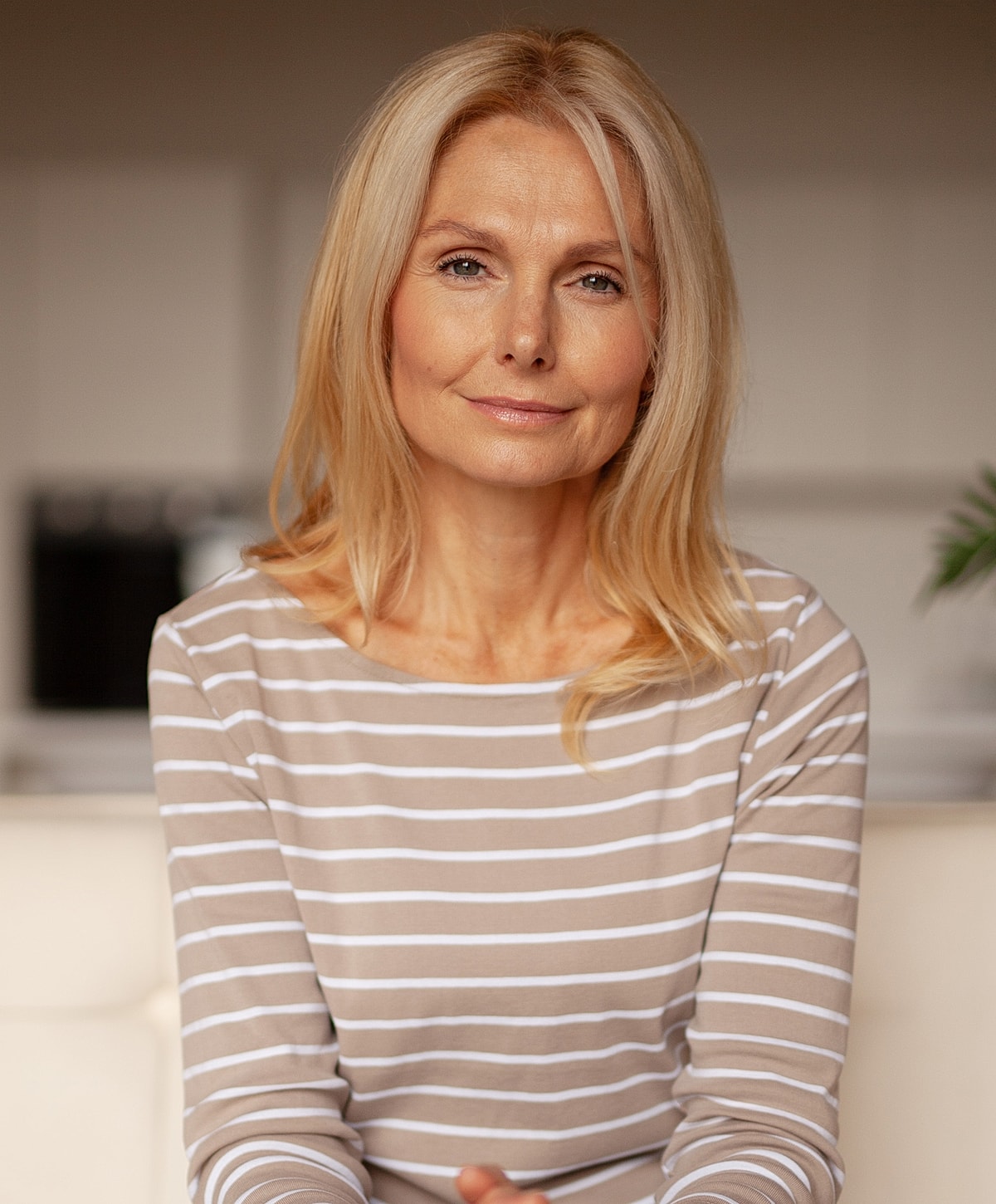

When laser skin resurfacing is planned thoughtfully, the goal is simple: skin that looks smoother, clearer, and more refreshed, while still looking like you. Results vary from person to person, but many patients notice that their skin feels healthier, makeup goes on more easily, and they feel more comfortable on the days they skip makeup altogether.
By encouraging your skin to shed damaged outer layers and build fresh collagen, laser resurfacing can soften rough or uneven texture and minimize the appearance of enlarged pores. Skin often feels silkier to the touch and looks more even in both natural light and, yes, the front-facing camera.
Fine lines around the eyes, mouth, and cheeks are common reasons people seek out resurfacing. By targeting the superficial and deeper layers of the skin, treatment can help soften the look of lines and mild to moderate wrinkles, so expressions still look like you, just a bit more rested.
If years of LA sunshine have left you with brown spots, uneven pigmentation, or dullness, laser resurfacing can help break up areas of discoloration and reveal a more even, luminous complexion. While no treatment can erase every spot, many patients notice their skin tone looks clearer and more consistent.
Laser resurfacing can be an excellent option for certain types of acne scars and textural irregularities. By remodeling the collagen under the surface, we can often soften the edges of scars and make them less noticeable. Results are gradual and vary by scar type, so we will always be honest about what is realistic.
One of the most meaningful benefits we hear about is simply feeling better in your own skin. With smoother texture, more even tone, and a fresher overall look, many people feel less reliant on heavy makeup and more comfortable going from coffee runs to close-up conversations without worrying about every little spot or line.
Laser skin resurfacing can be a great option if you are noticing fine lines, uneven tone, acne scars, enlarged pores, or sun damage and you are looking for a non-surgical way to improve your skin. Ideal candidates are generally healthy, not pregnant or breastfeeding, and willing to follow aftercare instructions and be diligent with sun protection. It is especially helpful if you want results that go deeper than skincare alone, but still want to look like yourself.
There are also situations where we may recommend a modified plan or a different type of treatment. People with very dark skin tones, certain medical conditions, a history of keloid scarring, active acne, open wounds, or infections in the treatment area need careful evaluation and may not be suited for certain laser settings. Recent tanning, photosensitizing medications, or unrealistic expectations can also change our approach. During your consultation, we will review your skin type, medical history, lifestyle, and goals in detail so together we can design a plan that is both safe and realistic for you.
The face is the most common area for laser resurfacing, and for good reason. Treatments here can address fine lines around the eyes and mouth, overall texture, enlarged pores, acne scars, and sun spots. We can tailor the intensity from a light refresh with minimal downtime to a deeper treatment with more noticeable peeling and more dramatic change. During your consultation, we will talk about your daily routine, social calendar, and comfort level with redness so the plan feels realistic for your life, not just your wish list.

The neck and chest often tell the full story of sun exposure, crepiness, and blotchy pigmentation. Laser resurfacing in these areas is usually performed a bit more gently than on the face to respect the thinner, more delicate skin, but it can still help improve texture, fine lines, and sun damage. We will walk you through appropriate settings, expected downtime, and how to coordinate treatment so face, neck, and chest age a little more gracefully together.
For many people, the biggest concern is not active breakouts but the textural scars and marks they leave behind. Laser resurfacing can help remodel collagen beneath certain types of scars, gradually softening their appearance and improving the way light reflects off the skin. Treatments may be planned as a series of lighter sessions or fewer, more intensive visits, depending on your skin and schedule. We will also talk about how to coordinate resurfacing with your ongoing acne skincare so we are not fighting against fresh breakouts along the way.

Every treatment starts with a thorough consultation and skin assessment. We will review your medical history, current skincare routine, and sun habits, then take a close look at your skin and discuss your priorities. Photos may be taken to help track progress over time. Together, we will decide on the treatment area, intensity, and timing, and you will receive clear pre-care instructions, which may include avoiding sun exposure, pausing certain active skincare ingredients, and making sure your skin is calm and not freshly tanned on the day of treatment.
On treatment day, your skin is gently cleansed and prepped. We typically apply a topical numbing cream and may use additional comfort measures as needed. Protective eyewear is provided, and your provider will walk you through each step before starting. During the treatment, you will likely feel warmth, a prickling sensation, or quick snaps of heat, which most people describe as uncomfortable but very manageable. Sessions usually last anywhere from about 30 minutes for smaller, lighter treatments to longer for full-face or more intensive sessions. Right afterward, your skin may feel warm and tight, similar to a sunburn, and we will apply soothing products and review your aftercare instructions before you head home.

Recovery after laser skin resurfacing depends a lot on how deep and how intensive your treatment is. Lighter sessions often come with a few days of redness, mild swelling, and a sandpapery feel that can usually be camouflaged with gentle makeup once your provider gives the go-ahead. Deeper resurfacing involves more pronounced redness, peeling, and flaking that can last from about a week to a couple of weeks, with lingering pinkness as the skin continues to heal. We will always outline an expected downtime range in advance, so you are not guessing when to schedule dinners, photos, or that weekend in Malibu.
Across the board, aftercare focuses on being gentle, hydrated, and sun smart. That typically means mild cleansing, non-irritating moisturizers, avoiding picking or scrubbing, staying out of direct sun, and using broad-spectrum SPF once the skin barrier is ready. Makeup usually becomes realistic again within several days to a couple of weeks, depending on your treatment depth. You will leave with written instructions, recommended products, and the reassurance that you can reach out with questions as you heal. Think of it as a short-term excuse for comfy clothes, streaming, and prioritizing skincare over social calendars.
Most people start to notice early improvements in brightness and texture as the initial redness settles and flaking resolves. Over the following weeks, as your skin continues to remodel collagen beneath the surface, changes in smoothness, fine lines, and scars can become more apparent. The longevity of your results depends on factors like treatment depth, your natural skin aging, and how consistently you protect your skin from the sun. With good skincare and healthy habits, improvements from deeper resurfacing can be enjoyed for a long time, while lighter treatments offer more subtle changes that are often refreshed periodically.
During your visit, we will talk about whether a series of lighter treatments or a single, more intensive session makes the most sense for you. Many patients also choose to support their results with complementary non-surgical treatments and a thoughtful at-home routine. The goal is not to make you look like someone else; it is to help your skin look clearer, smoother, and authentically like you. We will create a maintenance plan that fits your comfort level and lifestyle so your results feel sustainable, not high maintenance.

Laser resurfacing is both an art and a science, and our goal is to bring you the best of both. Treatments are performed by qualified providers with advanced training in laser technology and skin physiology, using high-quality devices and evidence-based protocols. We take time to understand your medical history, skin type, and daily life before we even talk about settings, and we plan your treatment with the same care we would want for our own skin.
Safety and subtlety guide every decision we make. That means thorough consultations, careful skin typing, conservative test spots when appropriate, and honest conversations about what is achievable. We aim for results that look fresh in real life, not just in edited photos. If another treatment or a gentler approach would better suit your skin, we will say so. Our role is to be your expert partner in long-term skin health, not to sell you the most aggressive option.
The cost of laser skin resurfacing in Los Angeles can vary, because no two treatment plans are exactly the same. Pricing depends on factors like the areas treated, the intensity and depth of resurfacing, the type of laser approach used, and whether we recommend a single session or a series. Full-face, deeper treatments typically cost more than small, focused areas or lighter refresh sessions.
During your consultation, we will examine your skin, discuss your goals, and outline a personalized treatment plan along with clear, transparent pricing before anything is scheduled. Many people think of resurfacing as an investment in their skin’s long-term health and confidence, and we are here to help you understand your options without pressure. If you would like to explore whether laser resurfacing is right for you, you are welcome to schedule a visit or skin evaluation so we can talk through the details together.
It depends on how intensive your treatment is and how comfortable you are with visible redness or peeling. For lighter resurfacing, many people feel photo-ready within about 5 to 10 days, once most flaking has settled and makeup sits smoothly again. For deeper or more aggressive treatments, we usually recommend planning several weeks between your session and any major event to allow for healing and lingering pinkness to fade. During your consultation, we will work backward from your calendar so your skin looks its best when it matters most.
Preparation is a big part of a smooth recovery. We will typically ask you to avoid tanning and self-tanner, stay away from harsh exfoliants, and pause certain active ingredients like retinoids or strong acids for a period of time before your treatment. If you are prone to cold sores, preventive medication may be discussed. Coming in with skin that is calm, well-hydrated, and not irritated gives us a better canvas and helps minimize the risk of unwanted side effects. You will receive tailored pre-care instructions based on your skin and the specific plan we create together.
Most people describe the treatment as warm, tingly, or like a series of quick snaps on the skin. To keep you comfortable, we typically use a topical numbing cream and may add other comfort measures depending on the depth of your treatment. Lighter sessions are usually very tolerable, while deeper resurfacing can feel more intense but is still brief and carefully monitored. Right afterward, your skin may feel similar to a sunburn for a few hours, which we help calm with soothing products and clear instructions for at-home care.
All three treatments aim to improve texture, tone, and overall skin quality, but they do so in different ways. Chemical peels use carefully selected solutions to exfoliate the skin, microneedling creates tiny controlled channels to stimulate collagen, and laser resurfacing uses focused light energy to precisely treat targeted layers of the skin. Laser treatments can often be more customizable in terms of depth and intensity, and they may address certain concerns, like specific pigment and some types of scars, more effectively. During your consultation, we will compare options side by side and recommend the approach that best matches your skin, goals, and downtime preferences.
The ideal frequency depends on the type and depth of resurfacing you are having. Deeper treatments are usually performed less often, sometimes as a one-time series with long-lasting effects, while lighter resurfacing can be scheduled more frequently, often in a series spaced weeks apart. Many patients then transition to occasional maintenance sessions to keep their results looking fresh. We will map out a timing plan that respects your skin’s healing process and your schedule so your treatments feel sustainable, not constant.
Makeup can usually be worn again once the surface of the skin has healed and any open or peeling areas have resolved, which might be several days after a lighter treatment or longer after a deeper one. We will give you specific guidance for your plan. As for the Los Angeles sun, it becomes extra important to avoid direct sun exposure, wear broad-spectrum SPF, and use hats or shade while your skin is healing and beyond. Sun is one of the main reasons we see pigment and texture changes in the first place, so good protection helps you maintain your results and keep your skin healthier over time.